
RAMADAN FLAVORS IN TURKEY
Ramadan is the ninth month of the lunar calendar, during which Muslims fast. When this beautiful month arrives, streets and homes are decorated, and special preparations are made for the “iftar” tables (the meal that marks the end of the fast). Muslims around the world strive to spend this month in the best possible way according to their own cultures. In Turkey, some of the flavors that adorn the Ramadan tables include dates, Ramadan pide, sherbet, and güllaç. Although not as common, it is possible to find these tastes outside of Ramadan as well. Therefore, those who cannot be in Turkey during Ramadan but wish to try these flavors should not be discouraged.
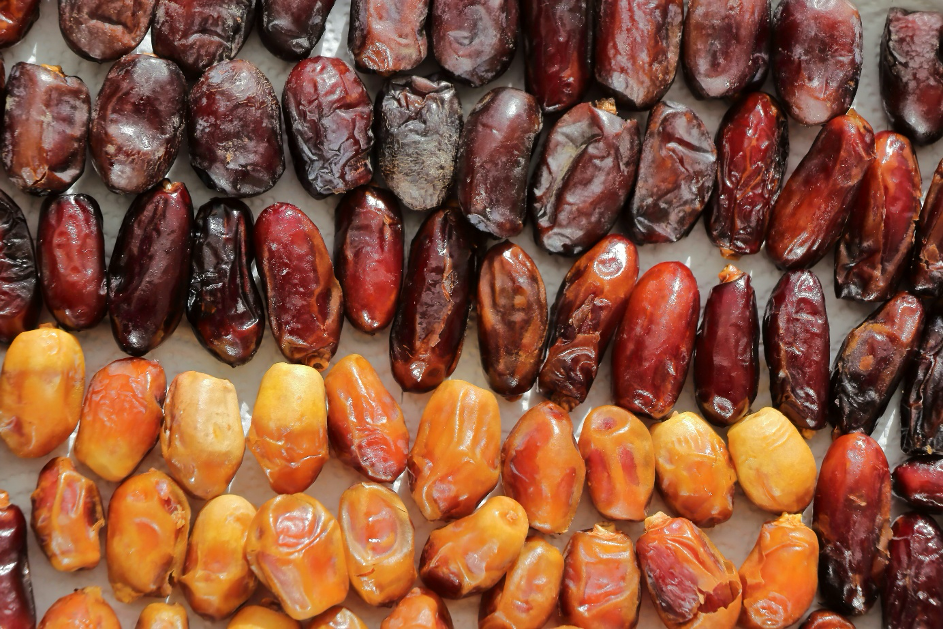
“Dates” are an indispensable part of both “iftar” and “sahur” (the meal before the fast begins). The last prophet, Muhammad (pbuh), recommended that those fasting break their fast with dates. With their high fiber, potassium, and natural sugar content, dates provide a quick boost of energy to the body. Additionally, they help keep one full and support digestion. The natural sugar they contain raises blood sugar levels in a balanced way. This small yet highly beneficial fruit adorns every Ramadan table.
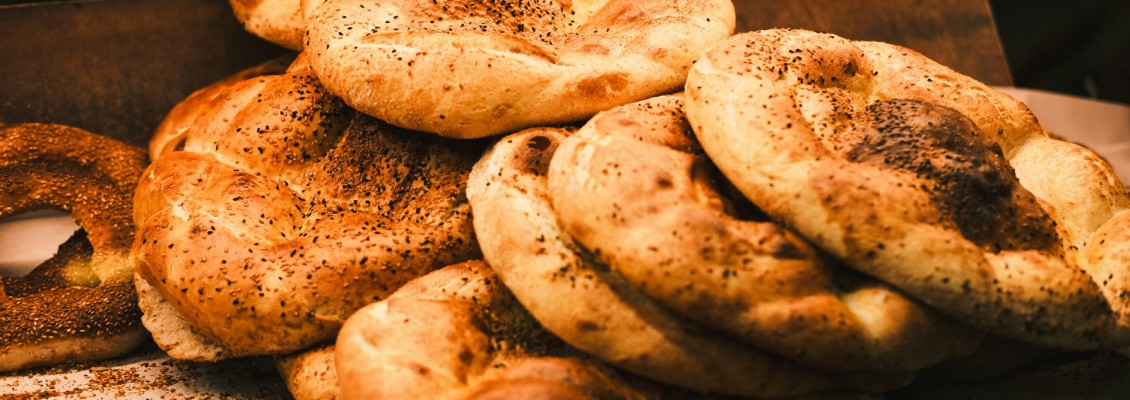
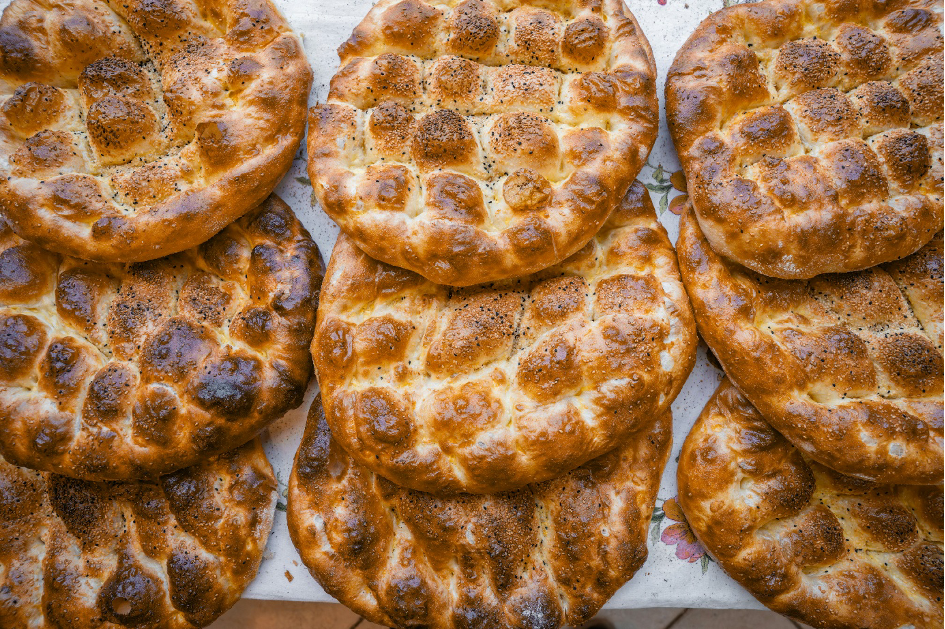
“Ramadan pidesi” is a type of bread whose roots go back to the Ottoman palace cuisine and the old bakery traditions of Istanbul. Its distinction from the bread we eat daily began in the 15th and 16th centuries. First, looking at its shape, one notices square patterns on top. These allow the pide to maintain its form while rising and to become crispier. Furthermore, a mixture spread over the pide gives it a golden yellow color and a distinct shine. This mixture usually consists of egg yolk, yogurt, and sometimes molasses. The nigella seeds and sesame seeds sprinkled on top both add flavor and aid digestion. The cultural value of pide lies not only in its taste but also in the process of acquiring it. The delightful scent of fresh pide filling the streets during Ramadan leads to long queues in front of bakeries close to iftar time. People want to buy the pide the moment it comes out of the oven, while it is still hot. Moreover, these queues are social spaces where neighbors strengthen their bonds and exchange well wishes.
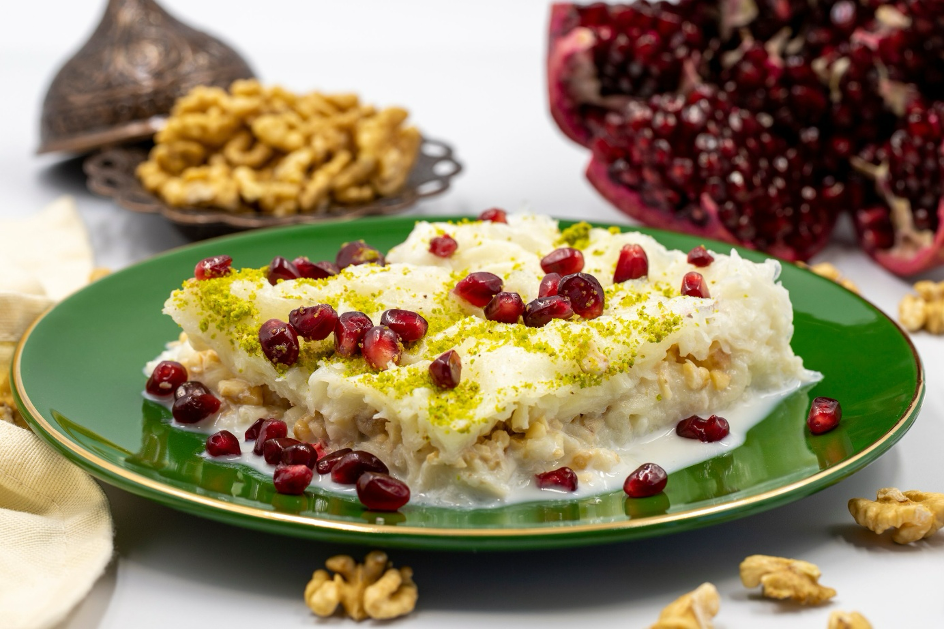
In Turkey, where the dessert culture is highly developed, there is naturally a special dessert for Ramadan known as “Güllaç.” The story of güllaç also begins in the 15th century. During this period, the public made thin sheets out of corn starch to preserve it and soaked them with milk and sugar when they wanted to eat. Palace officials grew very fond of this taste, and thus güllaç entered the palace cuisine. The reason it is specifically consumed during Ramadan is that it is not a heavy dessert. In Ottoman medicine, consuming milky and light desserts instead of classic syrupy ones after long periods of fasting was highly recommended. Since güllaç is one of the easiest desserts to digest, it has become a staple of Ramadan tables. Additionally, the rose water added to it leaves a refreshing taste in the mouth and symbolizes spiritual peace. Today, these thinly rolled güllaç sheets are sold in packages. All that is left for us to do is to soak these sheets with milk, sugar, and rose water and layer them. In this form, it is also a very practical dessert.
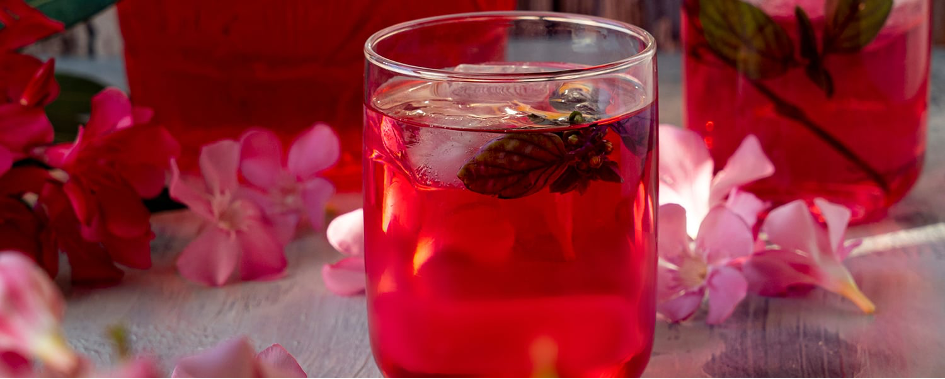
After these foods, a drink is certainly needed during Ramadan, and “sherbet” fulfills this need. The words “sorbet” and “syrup” in Western languages actually originate from this “sherbet.” Sherbet meets the sugar and fluid needs of the body, which remains thirsty throughout the day, using natural fruits and spices. Being non-acidic, it does not fatigue the stomach. Ingredients like rose water, cloves, and cinnamon added to the sherbet provide refreshment after iftar and help prevent thirst during sahur. What distinguishes sherbet from other drinks is the presence of spices. Spices, fruits, and pleasant scents like rose water are combined to create a unique beverage. One of the most consumed sherbets during Ramadan is “Tamarind (Demirhindi) sherbet”. Prepared with 40 types of spices and herbs, it was known in Ottoman medicine as a blood purifier and a sedative. The fruits, soaked overnight, are boiled with spices and served cold. It is a drink that requires patience to prepare. In the Ottoman Empire, sherbet was considered the most noble form of water; there was a special department in the palace and specific people dedicated to preparing it. Additionally, tradesmen who carried sherbet in special containers on their backs, sang folk poems (manis), and sold sherbet to the public were an indispensable part of the post iftar entertainment. Even today, it is still possible to see those selling sherbet in a flamboyant manner while wearing traditional costumes.
Leave a Comment